Posts


September 15, 2012
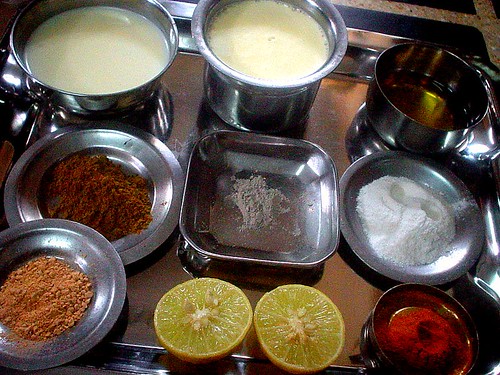
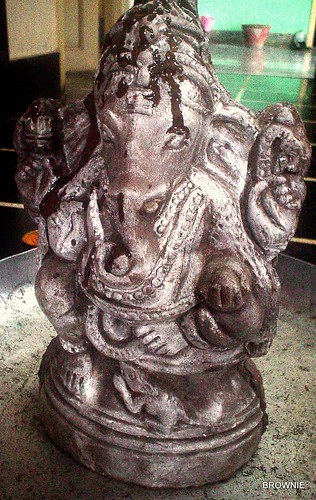
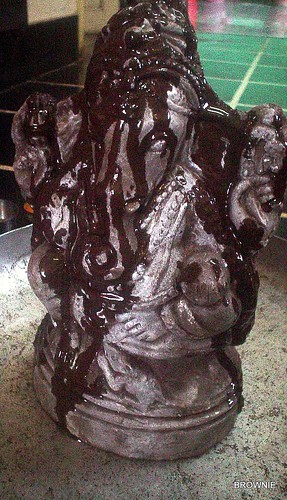
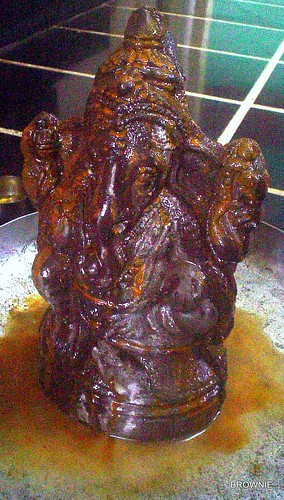
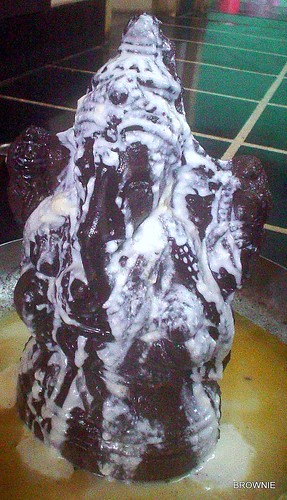
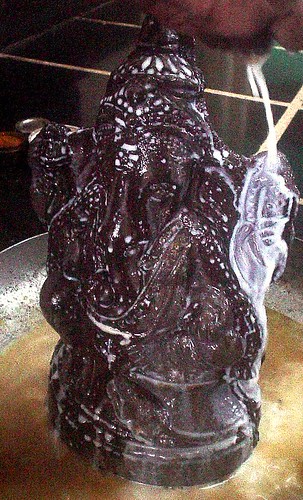
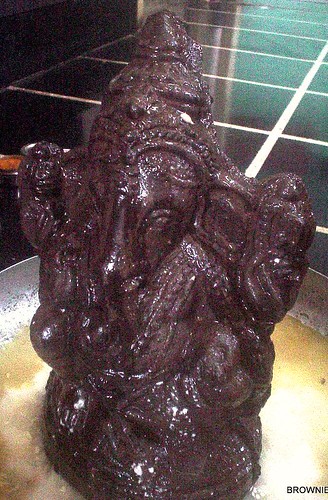
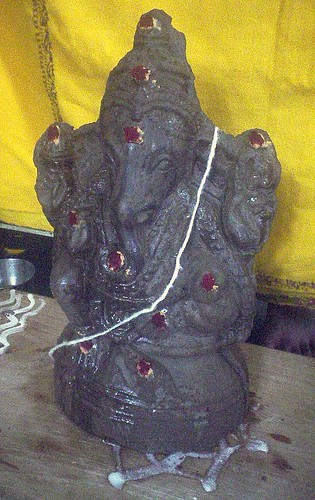
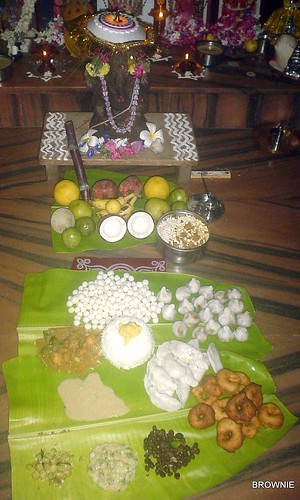
The procedures in each house differ.We buy the clay pillaiyar do Abhishegam with Oil,Diraviya Podi,Rice Flour,Turmeric powder,Sandal powder,Curd,Milk,Tender coconut,Lime juice,Mixed fruits,Vibudhi.Also keep in mind all these should be used in small quantities as the idol is made of clay.
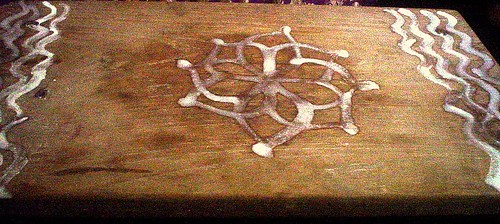
A wooden plank is decorated with kolam and the idol is placed on it
Using sandal powder and kugumam keep pottu(bindi)
Wear a white thread across the shoulder of the idol(poonul)
Keep a coin on the stomach
Decorate with an umbrella,flowers and Erukkam poo malai
Make Kozhukattais and serve on banana leaf along with rice,dal,sundal,payasam
Fruits and Aval,Pori are also placed for Neivediyam


September 17, 2009

The festival of NAVARATHRI is celebrated in different forms and names in our country.In Tamilnadu it is celebrated as NAVARATHRI GOLU
Here the dolls are arranged in steps on Puratasi Amavasai.This festival is also known as SHARADHA NAVARATHRI.The nine days are divided into sets of three days to adore three different aspects of the Goddess.

The first three days is for Goddess DURGA ,the next three days for Goddess LAKSHMI and the last three days for Goddess SARASWATHI .The tenth day on which the goddess kills MAHISHASURA is celebrated as VIJAYADASAMI,as the victory of good over the evil.

In Tamilnadu the tenth day is known as AYUDHA POOJA .On this day people worship books,instruments,machineries,vehicles....On VIJAYADASAMI it is considered auspicious to start anything new.Here we can find lot of children joining schools,music classes and dance classes.
The 10 DIVINE FORMS of the Goddess are known as
1.Kali
2.Thirupurasundari
3.Thirupurabairavi
4.Thumavathi
5.Bhuvaneswari
6.Chinnamastha
7.Rajamathengeswari
8.Tharambigai
9.Balamugi
10.Kamalatharini
In India the NAVADURGA TEMPLES are found in Tamilnadu and North India
1.Siva Durgai-Pateeswaram,Tanjore
2.Vishnu Durgai-Thirukovilur,Cuddalore
3.Raagukala Durgai-Thiruvarur,Tanjore
4.Vana Durgai-Kadhiramangalam,Tanjore
5.Kanaga Durga-Vijayawada,Andra Pradesh
6.Sulini Durga-Kollur,Karnataka
7.Rawthra Durga-Kolkata,West Bengal
8.Saantha Durga-Chandigarh,Punjab
9.Mangala Durga-Ujjaini,Madhya Pradesh
All the above informations are my collections from religious magazines and books.Iam indeed very happy to share it with you all.
Navarathri is celebrated throughout our country but in different ways.I have compiled this by gathering information from my friends who have been doing it for generations in Tamilnadu.
HOW TO DO THE POOJA
Take a Marapalakai-wooden plank
Draw a Kolam
Place a banana leaf(the tip portion) and spread raw rice
Take a Sombu wrap thread,keep turmeric and kumkum pottu
Pour clean water to fill 3/4 of the Sombu
Add Vettiver,Cardamon,Pachai Karpuram,Javvadhu,Chandanam in the water
Drop a 1 rupee coin into the water
Place some Mango leaves on the Sombu along with coconut which is covered with turmeric powder-Manjal Thengai
This is the Kalasam for which we should do pooja for the 9 days with flowers,deepam and neivediyam along with Sundal and distribute it
In Vedic books the Goddess to be worshipped,the Flowers to be used,Kolam to be drawn,Neivediyam to be done,Raaga and Instruments to be used are also clearly given for each of the nine days.Eventhough we cannot follow them strictly we can atleast know the origin of these pooja and improve our knowledge.
My next post will have details on how to perform pooja for each of the 9 days
As mentioned in my earlier post I've compiled the pooja procedure for each day.Again it is all according to your convenience.
DAY-1
Goddess Worshipped-Maheswari
Kolam-Any kolam using rice flour
Flowers-Jasmine and Vilvam leaves
Neivediyam-Venn Pongal
Music- Songs in Thodi Ragam
Instrument-Mridangam
Goddess in North India-Saila Puthri
DAY-2
Goddess Worshipped-Gowmari
Kolam-Any kolam in squares using wheat flour
Flowers-Mullai and Tulasi leaves
Neivediyam-Puliyothare
Music-Songs in Kalyani Ragam
Instrument-Flute
Goddess in North India-Brahma Sarini
DAY-3
Goddess Worshipped-Varahi
Kolam-Flower kolam using pearls/beads
Flowers-Champangi and Maru leaves
Neivediyam-Sakkarai Pongal
Music-Songs in Kambodhi Ragam
Instrument-Veena
Goddess in North India-Chithira Ganda
Day-4
Goddess Worshipped-Sri Mahalakshmi
Kolam-Sprinkle turmeric water with rice and make step kolam
Flowers-Jadhi and green leaves
Neivediyam-Kadamba Rice
Music-Songs in Bhairavi Ragam
Instrument-Kotu Vadiyam
Goddess in North India-Koosh Maanda
DAY-5
Goddess Worshipped-Vaishnavi Devi
Kolam-Any birds figure using Groundnuts
Flowers-Parijadham and Vibudhi Green leaves
Neivediyam-Curd rice
Music-Songs in Banduvarali Ragam
Instrument-Jallari
Goddess in North India-Skanda Matha
DAY-6
Goddess Worshipped-Indirani
Kolam-Devi's name using any cereals like green moong,toordal,urad dal
Flowers-Hibiscus and Sandal leaves
Neivediyam-Coconut Rice
Music-Songs in Neelambari Ragam
Instrument-Beri
Goddess in North India-Kathyayani
DAY-7
Goddess Worshipped-Brahmi
Kolam-Any type of house kolam using flowers
Flowers-Thazhampoo and Thumbai leaves
Neivediyam-Lime Rice
Music-Songs in Bilahari Ragam
Instrument-Padagam
Goddess in North India-Kaala Rathri
DAY-8
Goddess Worshipped-Narasimhi
Kolam-Lotus kolam using coins
Flowers-Roses and Pannir leaves
Neivediyam-Pal/Milk Rice
Music-Songs in Punnagavarali
Goddess in North India-Maha Gowri
DAY-9
Goddess Worshipped-Chamundi
Kolam-Any weapons like Sulam,vel using any fragrant powders like sandal,Diraviya podi
Flowers-Lotus and Marukozhundu leaves
Neivediyam-Kalkanddu(diamond sugar) Sakkarai Pongal
Music-Songs in Vasantha Ragam
Goddess in North India-Sithithathri
Pooja done on all the nine days is good according to ancient vedas,if not,doing pooja on the Ninth Day known as Mahanavami is equally good.This is the day when Goddess Durgadevi killed Mahishasuran and is celebrated as Durga Pooja in West Bengal in a grand way.
I was indeed surprised that so much of details were followed by our ancestors.Though many of us are not aware of the flowers,instruments used and not available today we can atleast know that they were used once upon a time.
Get ready for some Sundal Varieties which are done in Tamilnadu in my next post
September 25, 2008
As I had mentioned in my earlier GOLU is an important event in Tamilnadu.I remember my days of chidhood when we used to unpack,arrange dolls,buy new ones,set theme parks and invite our friends and it used to be real fun.But all households do not follow this and so after my marriage no more of Golu work.I would like to share my experiences and how we used to arrange the dolls.
The GOLU starts on PURATASI AMAVASAI also known as MAHALAYA AMAVASAI which is on September 29th this year.
The steps arranged depends on the collection of dolls and usually in odd numbers
Ready made steps are available and I remember our dining table used along with bricks and wooden planks as steps
Decorate the steps according to your creativity
Kalasam,usually a brass pot is used,is prepared and placed either in the middle of the top step or on the last one
Arrange the dolls,usually all Gods and Goddesses occupy the top step,followed by national leaders etc
Dolls made of mud and wooden dolls were a must those days but today dolls are made with paper.
Buy atleast one new doll every year
After arranging the dolls draw kolam in front of the steps and this can be done everyday
Light the Kuthuvillaku and do pooja with bettleleaves,nuts,fruits and flowers with any NeivediyamThis should be done everyday in the morning and evening
Aarathi should be taken every night for the Golu steps
Give Thambulam and Sundal to whoever visits
September 23, 2008
As mentioned in my earlier post I've compiled the pooja procedure for each day.Again it is all according to your convenience.
DAY-1
Goddess Worshipped-Maheswari
Kolam-Any kolam using rice flour
Flowers-Jasmine and Vilvam leaves
Neivediyam-Venn Pongal
Music- Songs in Thodi Ragam
Instrument-Mridangam
Goddess in North India-Saila Puthri
DAY-2
Goddess Worshipped-Gowmari
Kolam-Any kolam in squares using wheat flour
Flowers-Mullai and Tulasi leaves
Neivediyam-Puliyothare
Music-Songs in Kalyani Ragam
Instrument-Flute
Goddess in North India-Brahma Sarini
DAY-3
Goddess Worshipped-Varahi
Kolam-Flower kolam using pearls/beads
Flowers-Champangi and Maru leaves
Neivediyam-Sakkarai Pongal
Music-Songs in Kambodhi Ragam
Instrument-Veena
Goddess in North India-Chithira Ganda
Day-4
Goddess Worshipped-Sri Mahalakshmi
Kolam-Sprinkle turmeric water with rice and make step kolam
Flowers-Jadhi and green leaves
Neivediyam-Kadamba Rice
Music-Songs in Bhairavi Ragam
Instrument-Kotu Vadiyam
Goddess in North India-Koosh Maanda
DAY-5
Goddess Worshipped-Vaishnavi Devi
Kolam-Any birds figure using Groundnuts
Flowers-Parijadham and Vibudhi Green leaves
Neivediyam-Curd rice
Music-Songs in Banduvarali Ragam
Instrument-Jallari
Goddess in North India-Skanda Matha
DAY-6
Goddess Worshipped-Indirani
Kolam-Devi's name using any cereals like green moong,toordal,urad dal
Flowers-Hibiscus and Sandal leaves
Neivediyam-Coconut Rice
Music-Songs in Neelambari Ragam
Instrument-Beri
Goddess in North India-Kathyayani
DAY-7
Goddess Worshipped-Brahmi
Kolam-Any type of house kolam using flowers
Flowers-Thazhampoo and Thumbai leaves
Neivediyam-Lime Rice
Music-Songs in Bilahari Ragam
Instrument-Padagam
Goddess in North India-Kaala Rathri
DAY-8
Goddess Worshipped-Narasimhi
Kolam-Lotus kolam using coins
Flowers-Roses and Pannir leaves
Neivediyam-Pal/Milk Rice
Music-Songs in Punnagavarali
Goddess in North India-Maha Gowri
DAY-9
Goddess Worshipped-Chamundi
Kolam-Any weapons like Sulam,vel using any fragrant powders like sandal,Diraviya podi
Flowers-Lotus and Marukozhundu leaves
Neivediyam-Kalkanddu(diamond sugar) Sakkarai Pongal
Music-Songs in Vasantha Ragam
Goddess in North India-Sithithathri
Pooja done on all the nine days is good according to ancient vedas,if not,doing pooja on the Ninth Day known as Mahanavami is equally good.This is the day when Goddess Durgadevi killed Mahishasuran and is celebrated as Durga Pooja in West Bengal in a grand way.
I was indeed surprised that so much of details were followed by our ancestors.Though many of us are not aware of the flowers,instruments used and not available today we can atleast know that they were used once upon a time.
Get ready for some Sundal Varieties which are done in Tamilnadu in my next post
I was new to blogging during Navarathri festival last year.Though I posted recipes for the occasion I found out that there were lot of searches about the pooja procedures and from then I tried collecting whatever information I came across about the pooja.Finally I discussed with a friend who do the Navarathri Pooja in a traditional way and compiled the post.I hope these information will be useful for those in need of the pooja procedures.As Iam translating from Tamil,please excuse me if there are any mistakes and do let me know for the correction
Also read my previous post Facts on Navarathri Festival
HOW TO DO THE POOJA
Take a Marapalakai-wooden plank
Draw a Kolam
Place a banana leaf(the tip portion) and spread raw rice
Take a Sombu wrap thread,keep turmeric and kumkum pottu
Pour clean water to fill 3/4 of the Sombu
Add Vettiver,Cardamon,Pachai Karpuram,Javvadhu,Chandanam in the water
Drop a 1 rupee coin into the water
Place some Mango leaves on the Sombu along with coconut which is covered with turmeric powder-Manjal Thengai
This is the Kalasam for which we should do pooja for the 9 days with flowers,deepam and neivediyam along with Sundal and distribute it
In Vedic books the Goddess to be worshipped,the Flowers to be used,Kolam to be drawn,Neivediyam to be done,Raaga and Instruments to be used are also clearly given for each of the nine days.Eventhough we cannot follow them strictly we can atleast know the origin of these pooja and improve our knowledge.
My next post will have details on how to perform pooja for each of the 9 days
November 01, 2007
The following tips will be useful while making sweets at home for Deepavali
While making Badusha if the sweet turns by itself when in the oil,it is ready to be taken out
To keep the Murukku and other savouries crisp and fresh for longer time without getting any smell,keep salt tied in a cloth inside the storing container
When making payasam add thick coconut milk to enhance the taste
When making Adhirasam add the jaggery syrup to the flour and not vice-versa
Keep a lighted candle in the kitchen while frying in oil to avoid the smoke staying in the kitchen
October 08, 2007
NAVARATHRI FESTIVAL
Dear friends, the festive season is ahead of us with Navarathri starting from Wednesday."GOLU" is part and parcel of this nine day festival where dolls are arranged in steps and pooja done everyday.We call our friends and relatives as it is considered to be very auspicious.Here are some useful tips for those who celebrate with "GOLU"
We can by using the disposable plates make different kinds of kolams on it with Navadhanyam(different types of pulses),Arisipori(puffed rice),Javarisi(sago),Salt,Small shells,Colour powders,Jigina powders....in advance and keep them in front of "GOLU" steps every day
Add a little kesari powder to the wet rice flour, the kolam will look attractive
Along with the other dolls ,display the handicrafts which you have made which will give you satisfaction
All of us definitely will have old copper and brass items which we can display as "Traditional"
Instead of giving kumkum box we can give sthem in small packets and also give camphor,incense sticks ,samprani and other pooja items which tthey can use
When displaying small plastic dolls stick them to the floor with fevistick so that they do not fall when you switch on the fan
I'll share some interesting facts of celebrating this festival which i have come acroos over the years.Some interesting "SUNDAL" varieties will also be posted for you to try during Navarathri